Check-Ins are designed to accompany the lecture videos for the respective module. Questions will be tied to on-screen prompts within the video or recommended linked videos.
Which of the drawing or painting media is your favorite or seems the most interesting to you? Name a few qualities of the material that you think would suit your habits or preferences.
How does the media the artist used to make this work create meaning that would not be there with traditional painting materials?
“The Medical Mosaic” by Tilda Shalof and Vanessa Herman-Landau. 2015.
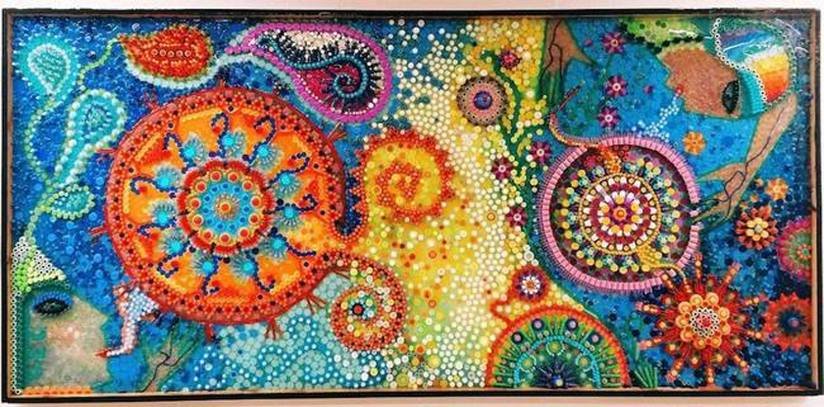 Photo: Steve Russell / Toronto Star.
Describe this using the elements of art. What is one element that is being used to tell a definite story or emotion?
“The Hundred Guilder Print” by Rembrandt. 1648.
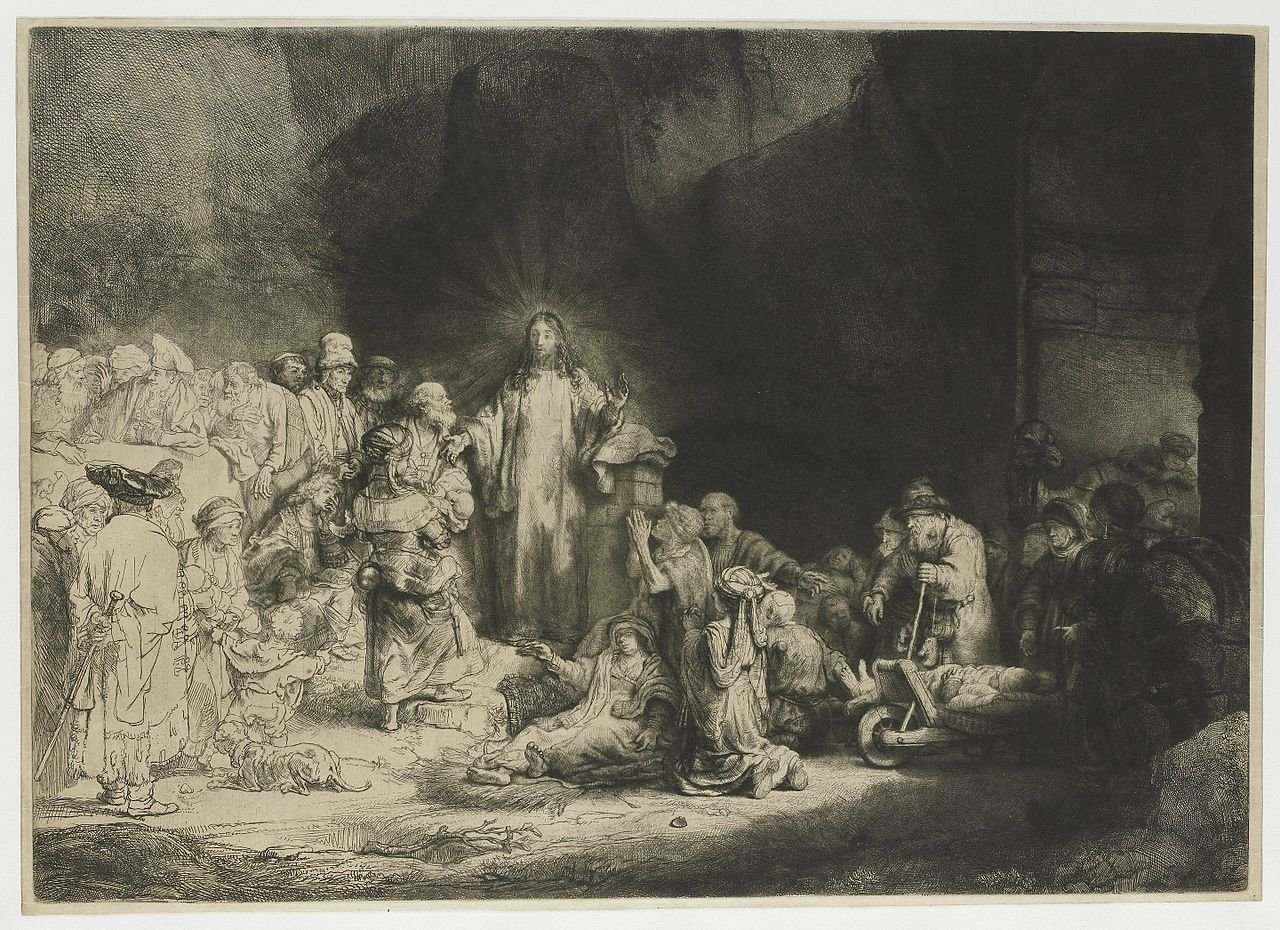 The Metropolitan Museum of Art, 29.107.35.
What is your initial formal analysis of this work?
“Broadway Boogie Woogie” by Piet Mondrian. 1942–43.
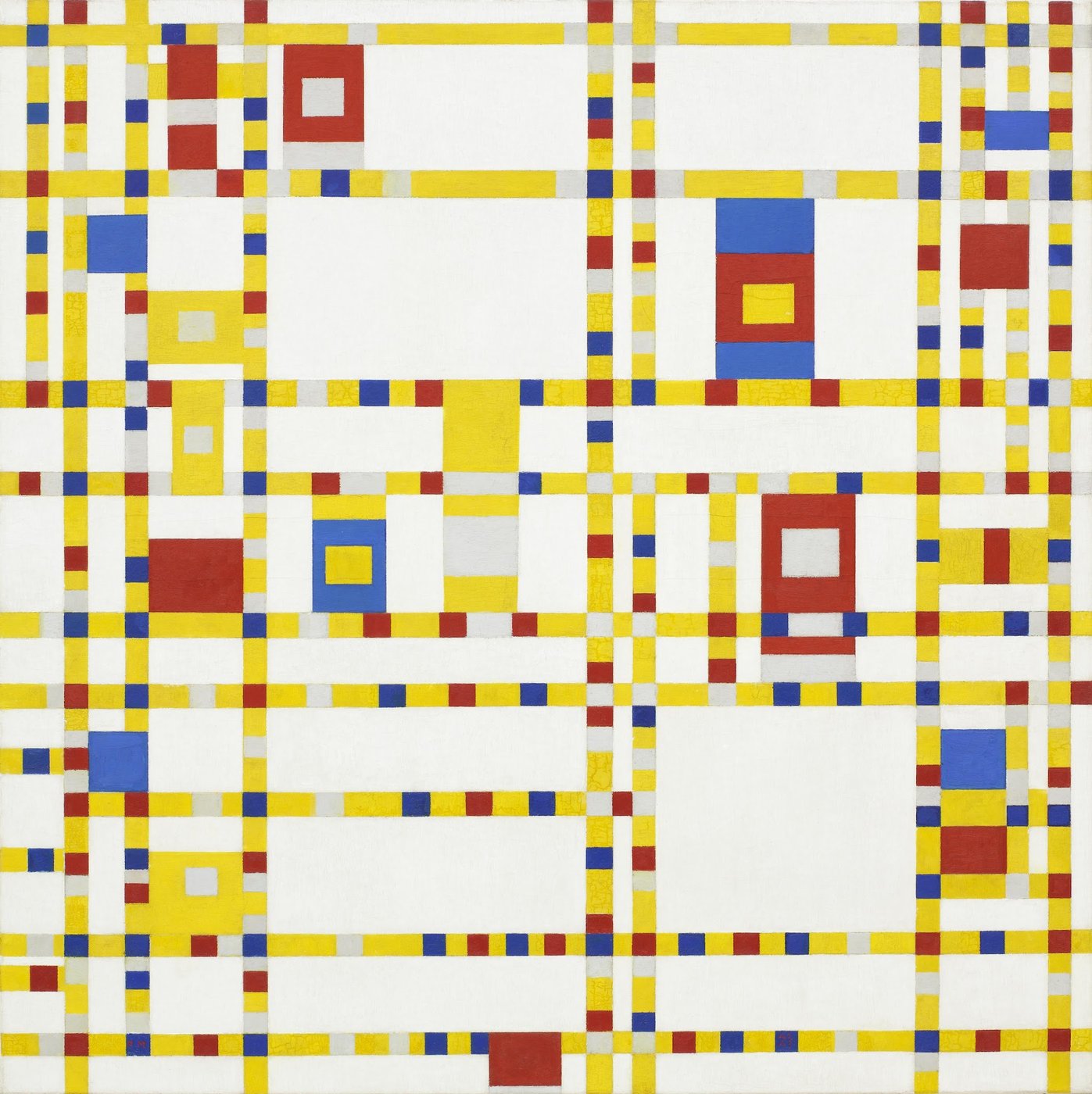 Museum of Modern Art, 73.1943.
How did your analysis of the above work change with context?
What do you see here in formal terms? Do you recognise the object? What do you think it means?
“Fountain” by Marcel Duchamp. 1917.
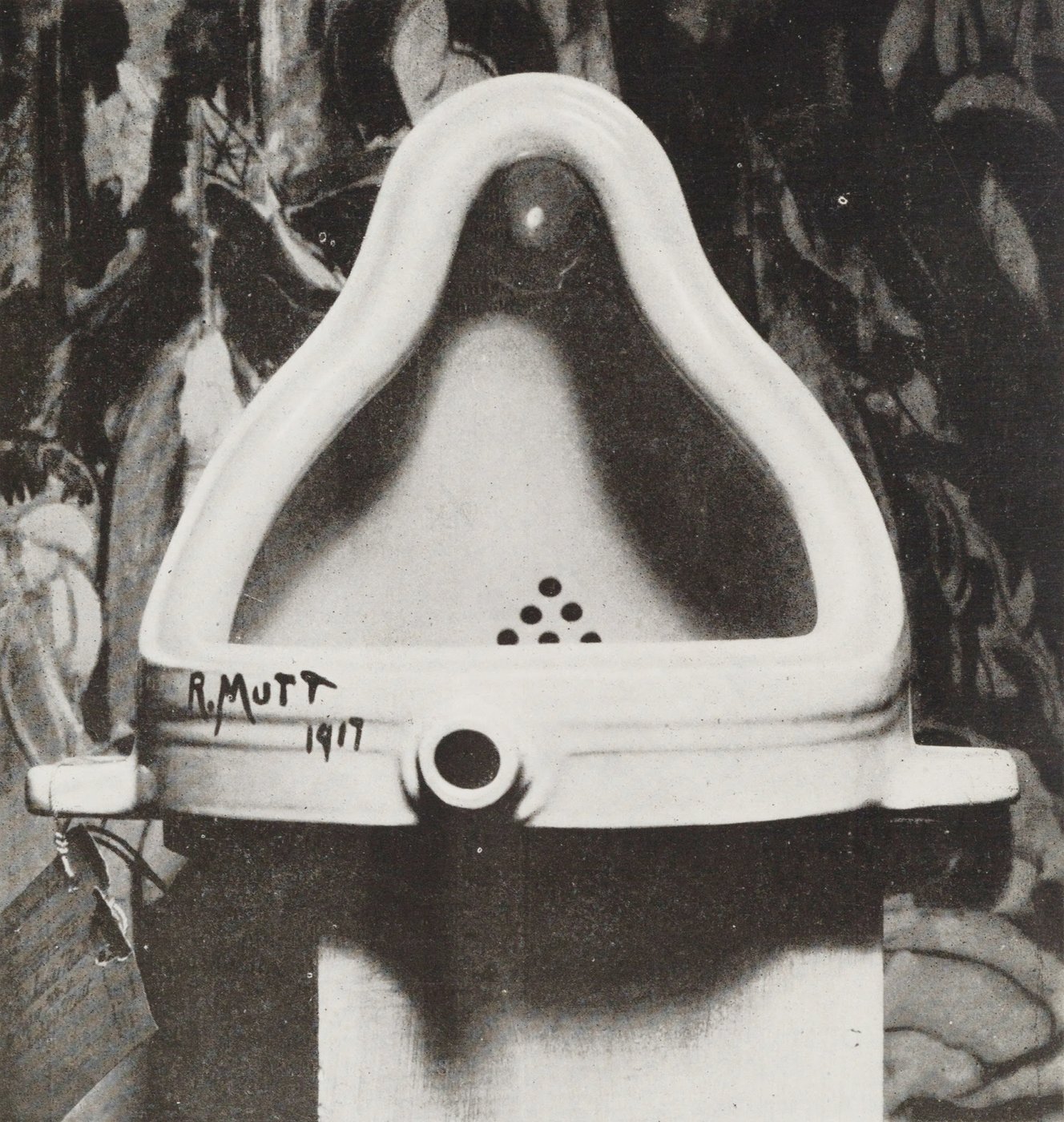 Photo: Alfred Stieglitz, 1917.