Let's Write!
Write a response to Mary Cassatt's "In the Loge" (found on Google Art Project). Describe the artwork using as many elements and principles as you can. In what different ways does she use line in the painting? Give at least three examples with analysis. How does she use a specific kind of line to create emphasis on the central figure in the painting and imply tension for the viewer? How does the historical context of the painting add to that tension? Does this painting rely on contour line? Why or why not?
*NOTE: a Loge is not a Lodge. If you are unsure what a "loge" is, look it up!
Starting Research:
Formatting & Recommendations
- Answer all prompt parts in detail: 1–2 full sentences minimum for each response prompt.
- Title: Response Number & Artwork.
- Format font to 12 pt. No WILD OR BLOCKY fonts outside the title.
- 1" margins, 1.5 spacing, and utilize paragraphs or bullets to give your response structure.
- Use bold for weekly vocab terms, use italics for well-known art movements, and use "quotes" for proper art titles: the more vocabulary words you use, the more opportunities you give yourself to practice. Using no vocab words for a given week means you have not challenged yourself.
- A bibliography is necessary for any submission that includes quotes or paraphrasing from an outside source you used to structure your essay, even if I am giving you the source in the course. Quotes and cited sources are NOT bad: they demonstrate that your ideas have support from other people! Crediting other authors is an academic tradition: all legitimate writing is littered with citations.
- Be careful about your sources: just because it's on the net, doesn't make it true. Wikipedia and AI are not regulated with accountability or expertise in their foundations, so no one is out there staking their reputation on what is being said and enforcing a standard of truth on these platforms, and what gets selected has no guarantee to be sourced from a person who knows what they are talking about. This course will introduce you to better, more reliable resources for researching academically.
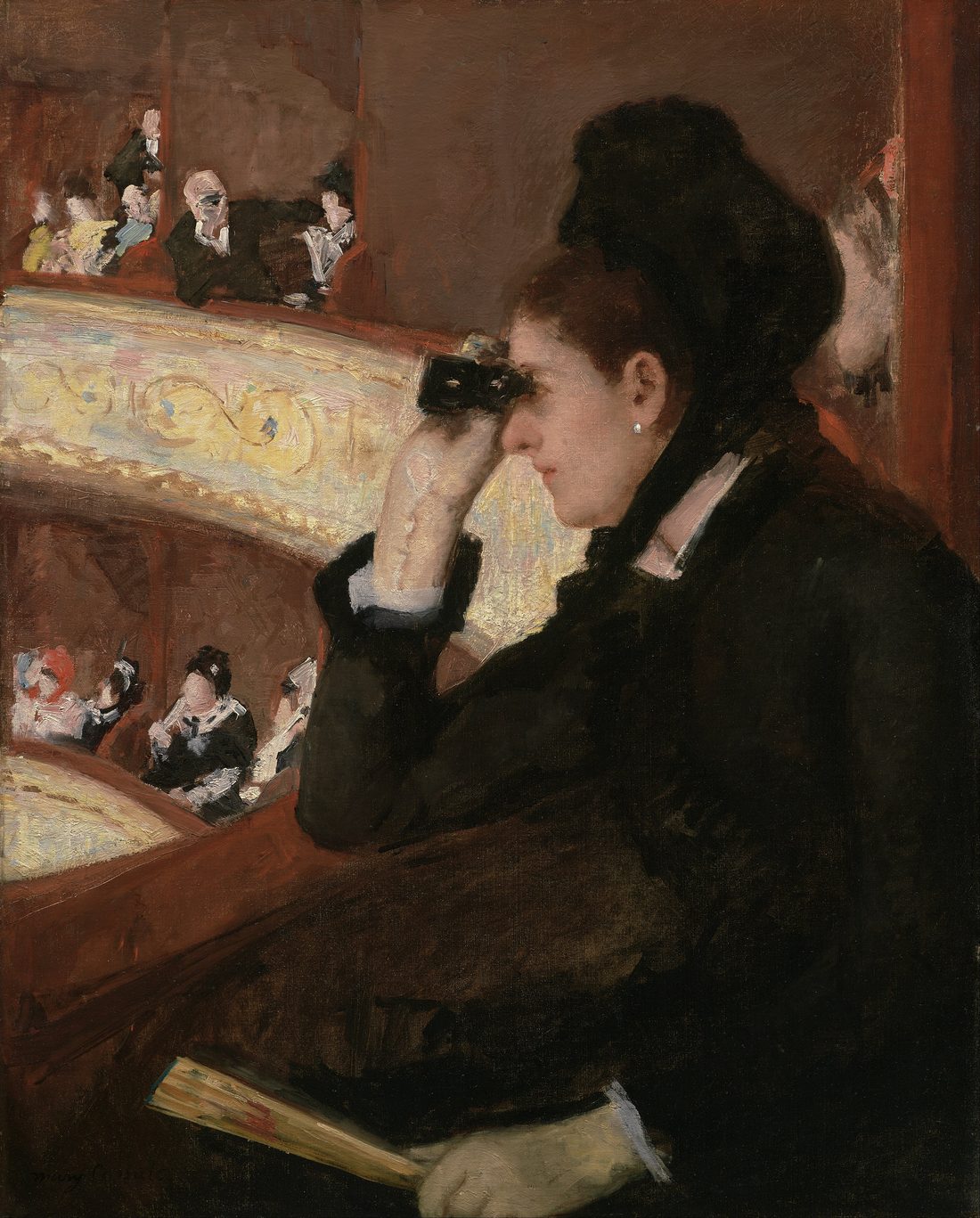 Museum of Fine Arts, Boston.