Check-Ins are designed to accompany the lecture videos for the respective module. Questions will be tied to on-screen prompts within the video or recommended linked videos.
Click on the link below to be taken to a Google Slide. SAVE A COPY OF THIS SLIDE TO YOUR OWN GOOGLE ACCOUNT so that you are able to edit it. The week's lesson video will explore demonstrations and design impact related to the theme of the module: feel free to follow along with the video guidelines.
This week, you will edit the above slide according to the element of Shape. To accomplish this, you may change the following:
You may not:
Consider how shape can communicate the topic of your slide & provide clarity of Hierarchy of Information. Should clip art or bounding boxes be soft and delicate or bold and graphic? Is your imagery of high quality: not pixelated or distorted: are you making it bigger than it was meant to be seen? Are your blocks of text distinct and easy to make out? Are you considering the role of negative shape: is there an effective use of your background space?
Paste the Google Drive share link to your slide. Sharing should be set so anyone with the link can view it.
Are these images on the screen better example of shapes or forms? What leads you to this conclusion?
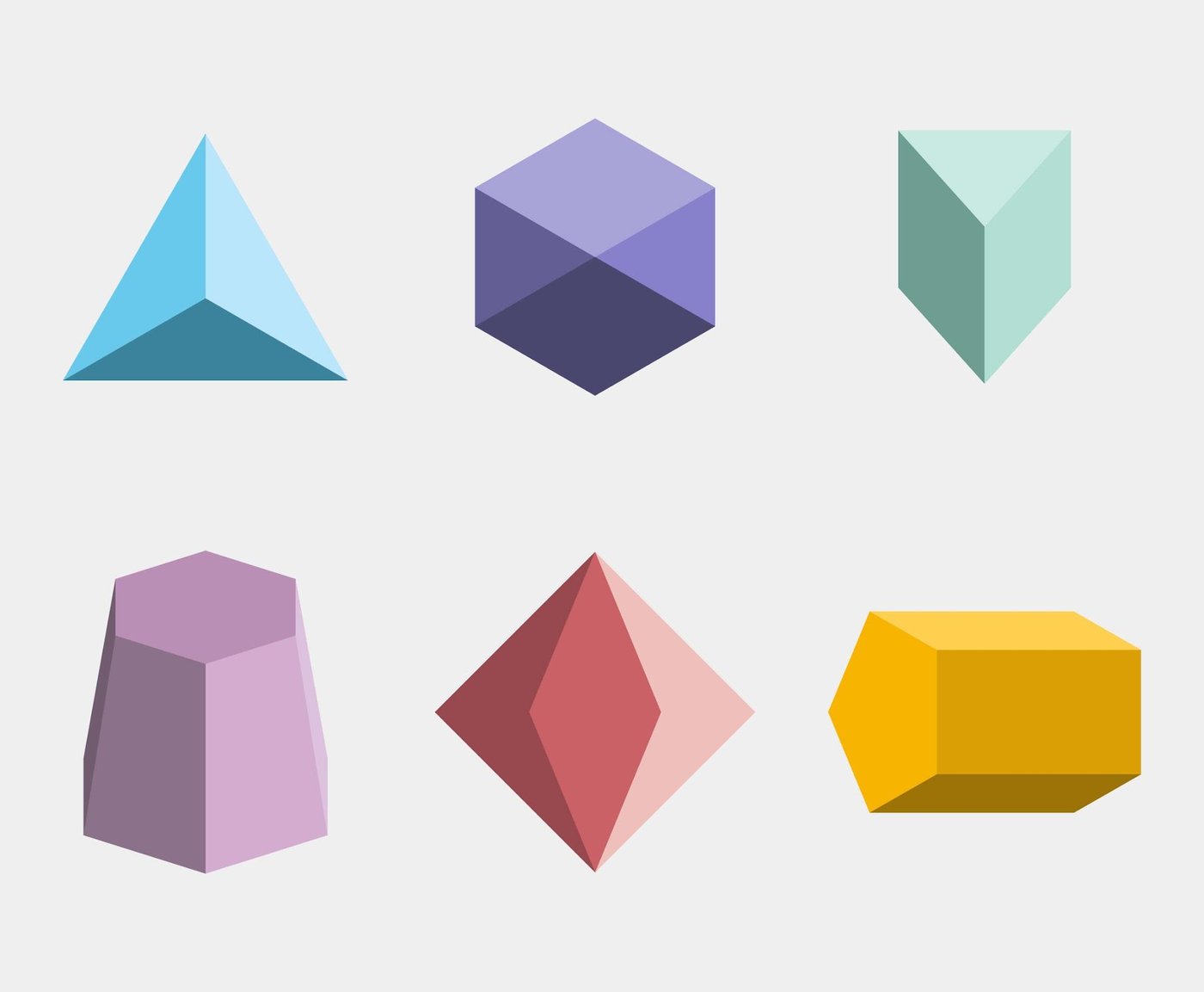 Image via Vecteezy.
How does the softness inspire a mood or feeling of this painting? How would this painting feel different if it were made with hard-edged shapes?
“Ballet (L’Étoile)” by Edgar Degas. c. 1876–77.
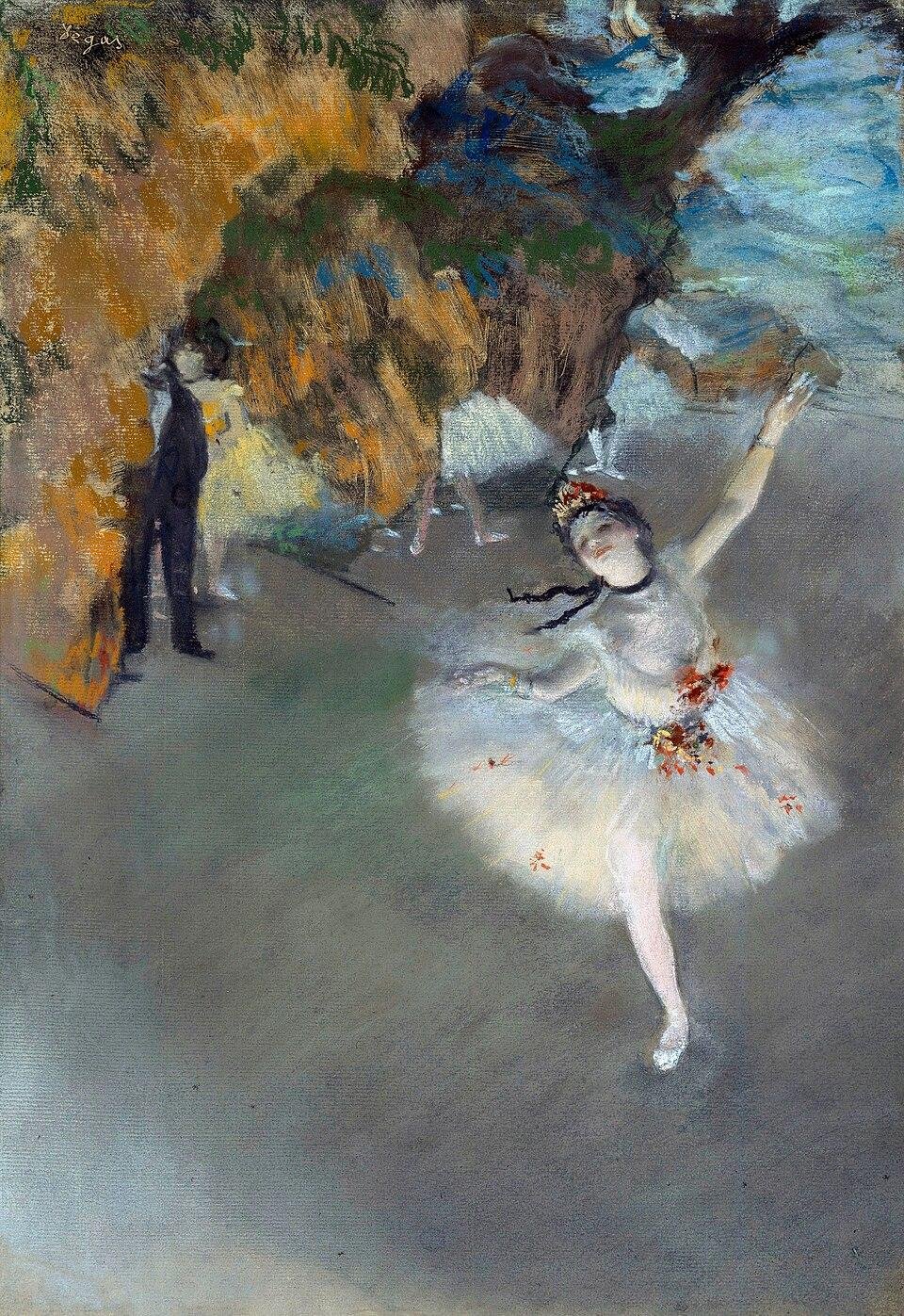 Musée d’Orsay, RF 12258.
Which cup profile feels more dynamic? Why does it feel that way?
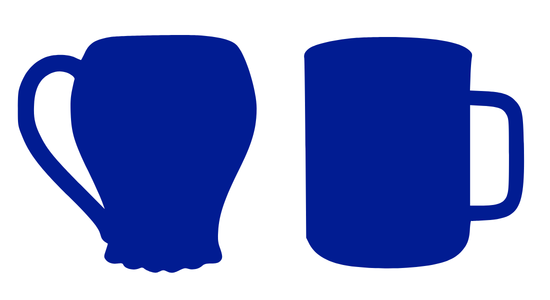
Challenge: How can our understanding of dynamic and static form tell us something about the priorities of different cultures?
“Laocoön and his Sons” by Hagesandros, Athenodoros and Polydoros. Early 1st century BCE.; “Cleopatra VII” by Unknown Artist. c. 51–30 BCE.
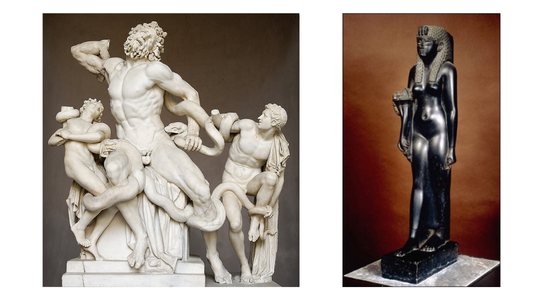 Laocoön: Photo: LivioAndronico / Wikimedia Commons, CC BY-SA 4.0. Vatican Museums, 1059. Cleopatra: Photo: Zerida / Wikimedia Commons, CC BY-SA 3.0. State Hermitage Museum, ДВ-3936.
What is something in today’s culture that can be worn as a visual sign of a person’s goals or attributes they desire?
How do you use visual communication as an expression of your personal interests or traits?